Your local café feels like a modern thing. The oat milk, the flat whites, the laptop at the window seat. But the idea underneath it is close to five hundred years old: a room where anyone can sit down, buy something warm and cheap, and talk to whoever is there.
Here’s how that idea travelled from a market district in Istanbul to the corner of your street, by way of some of the most famous cafés in the world.
Istanbul, around 1555
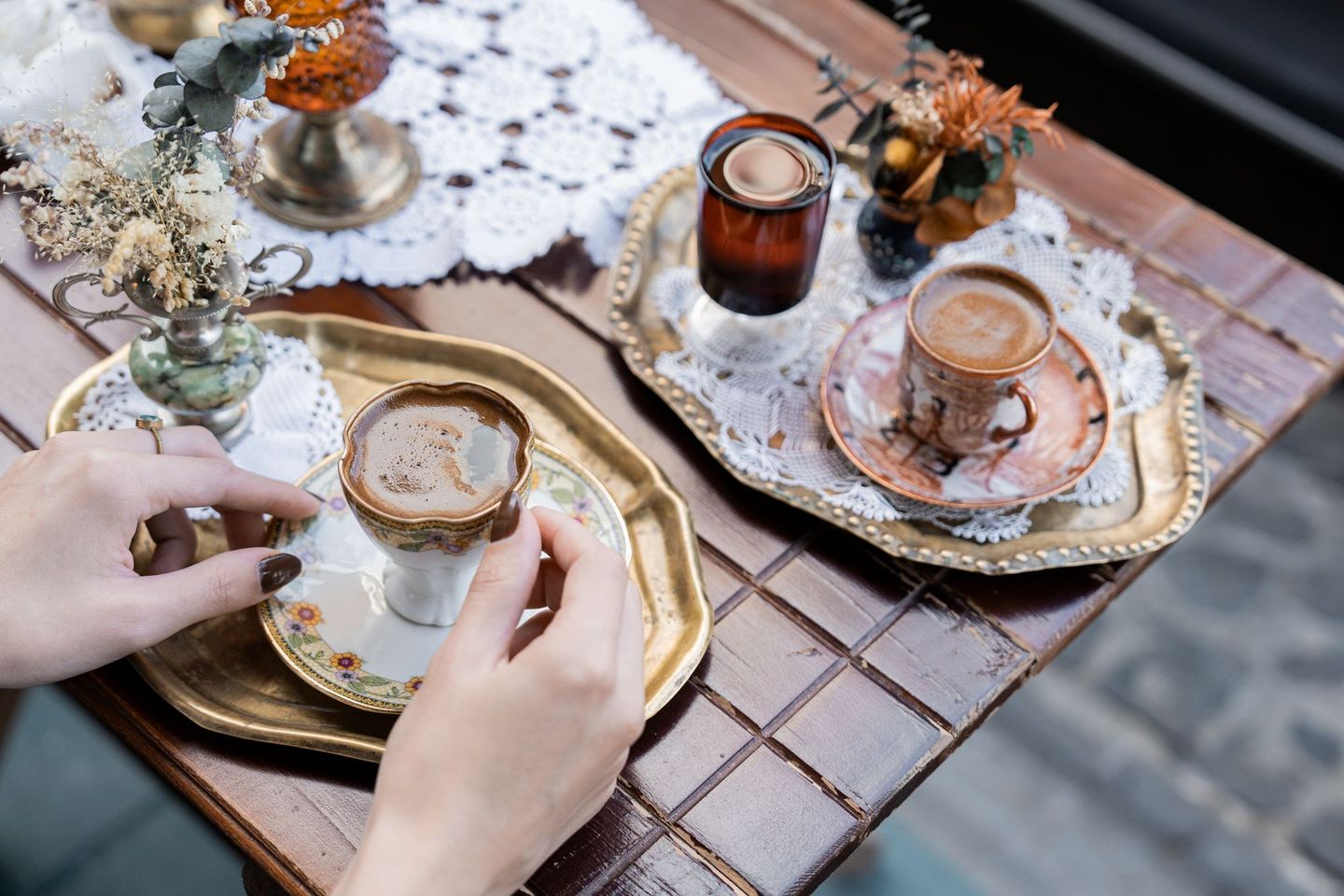
Coffee was being drunk in Yemen and across the Arab world well before it reached the Ottoman capital. The coffeehouse as a public room is usually traced to Istanbul in the mid 1550s. According to the Ottoman chronicler İbrahim Peçevi, two men, Hakam from Aleppo and Shams from Damascus, opened coffee shops in the Tahtakale district, a busy trading quarter near the waterfront.
They caught on quickly. Coffeehouses became places to talk business, trade gossip, argue about politics and simply pass the time. The authorities were suspicious of them for exactly that reason, and they would not be the last to feel that way.
Oxford and London, the 1650s
Coffee reached England a century later. Most histories name a man called Jacob, who opened a coffee house at the Angel in Oxford in 1650 or 1651 (the sources disagree). In 1652, Pasqua Rosée, the servant of an English merchant who traded in the eastern Mediterranean, opened London’s first in St Michael’s Alley, Cornhill.
By the early 1700s London had hundreds. They earned the nickname “penny universities”: for the price of a penny you got a dish of coffee, a seat, the newspapers and whatever conversation was going. A tradesman could end up at the same table as a scholar. That mix was the point.
Some coffee houses grew into institutions. Edward Lloyd’s coffee house on Tower Street, open by 1688, was where ship captains, merchants and owners gathered for shipping news. The people who insured those ships met there too, and the market that grew out of it is still called Lloyd’s of London.
Not everyone approved. In December 1675 King Charles II issued a proclamation to close the coffee houses, worried they were breeding grounds for criticism of his government. The public reaction was so strong that the order was withdrawn within days, before it ever took effect.
Paris, Venice, Rome and Vienna
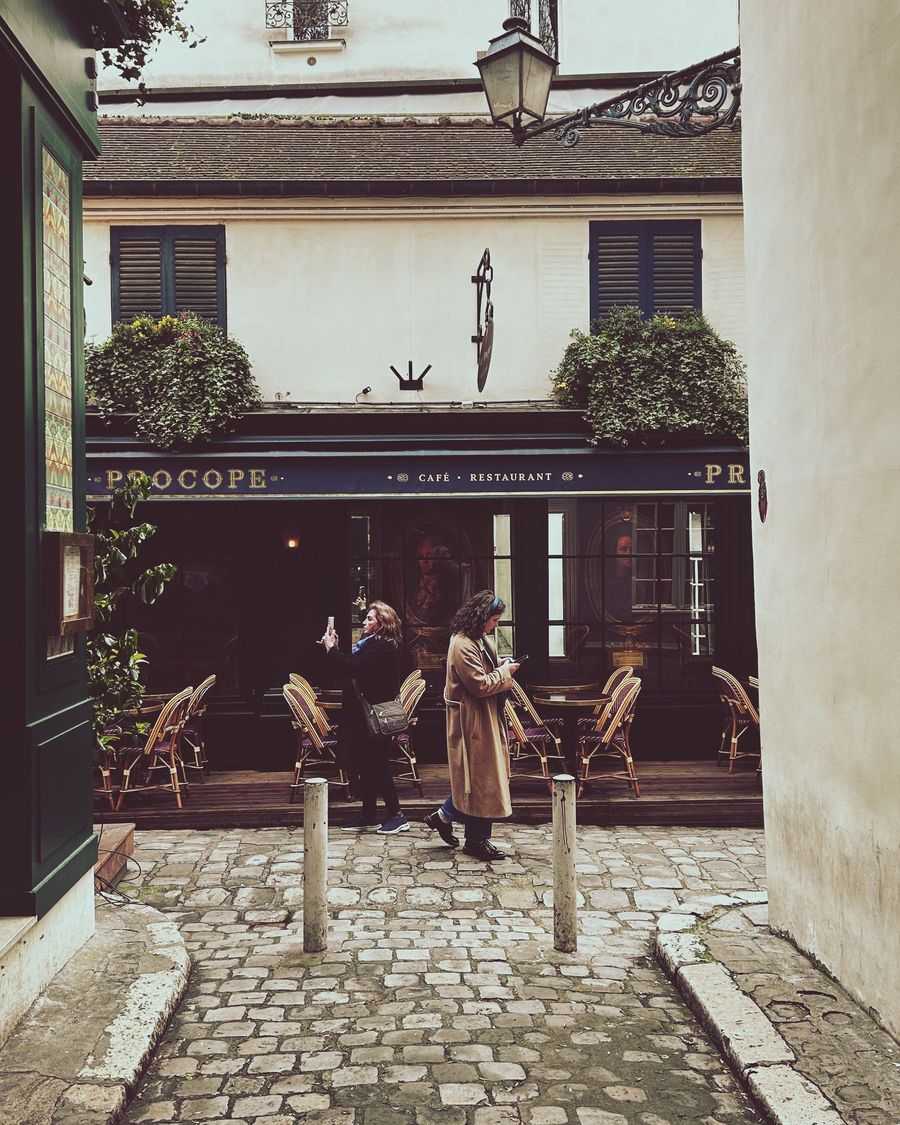
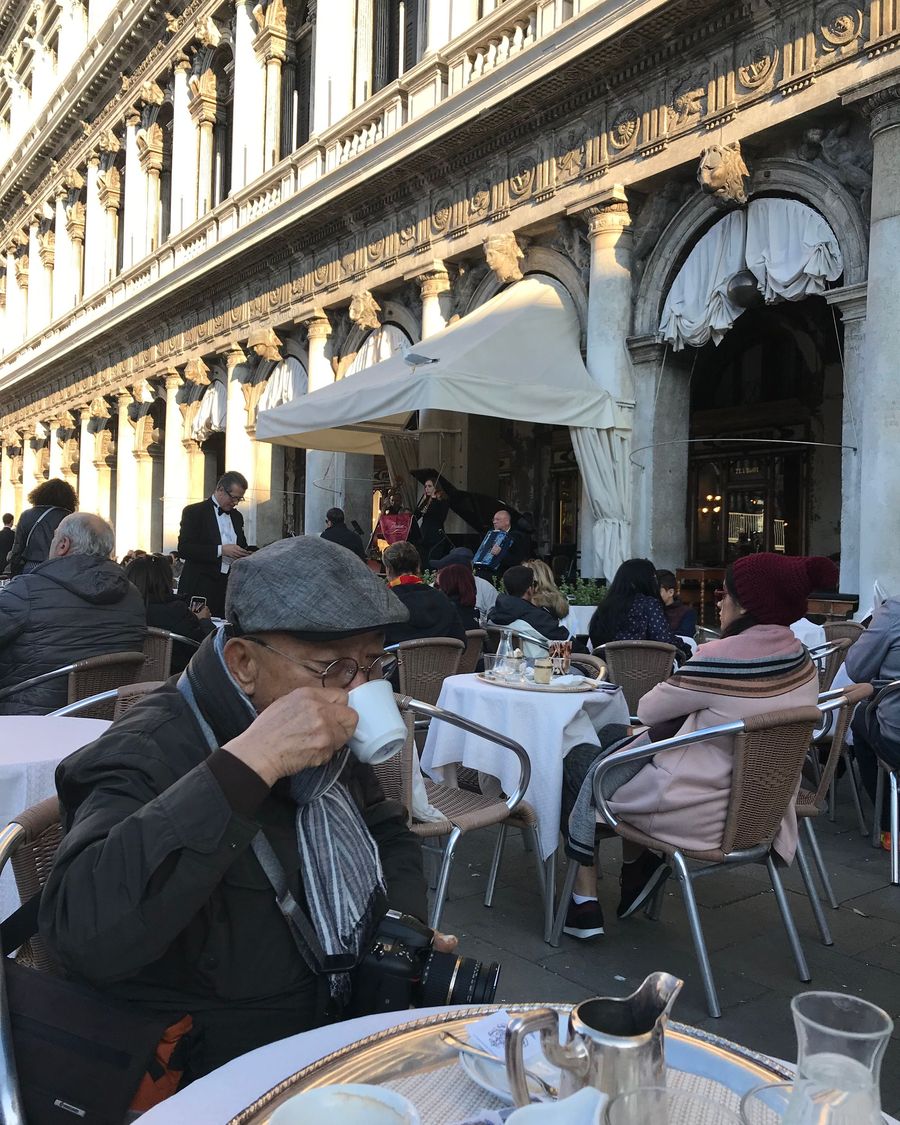
Across Europe the coffeehouse took on local character. In Paris, Le Procope opened in 1686 and is often called the city’s oldest café, though it hasn’t traded continuously as one. In Venice, Caffè Florian opened under the arcades of St Mark’s Square in 1720 and is generally described as the oldest café in Italy still operating.
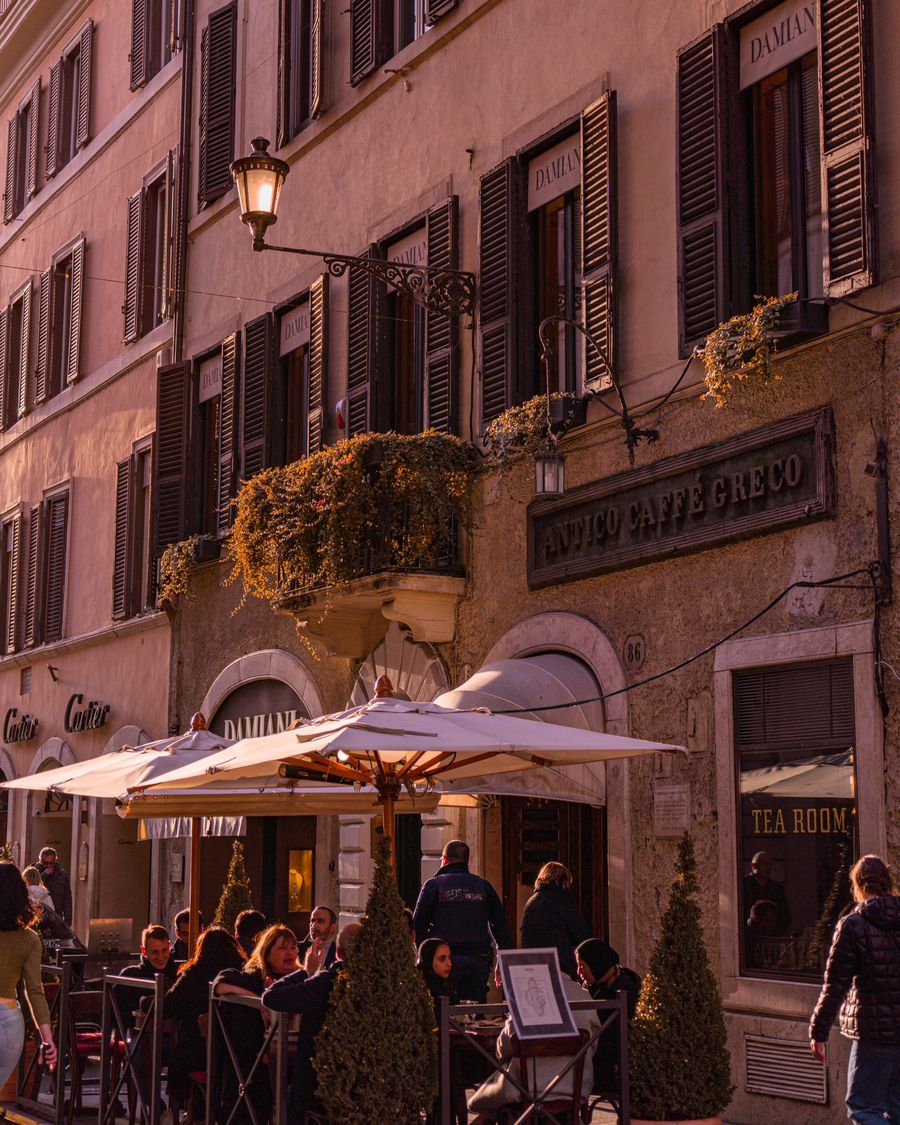
In Rome, Antico Caffè Greco opened on Via dei Condotti in 1760. Goethe, Keats and generations of painters and writers drank there, and its walls filled up with their pictures. It closed in October 2025 after a long dispute over the lease, and at the time of writing its future was still being worked out.
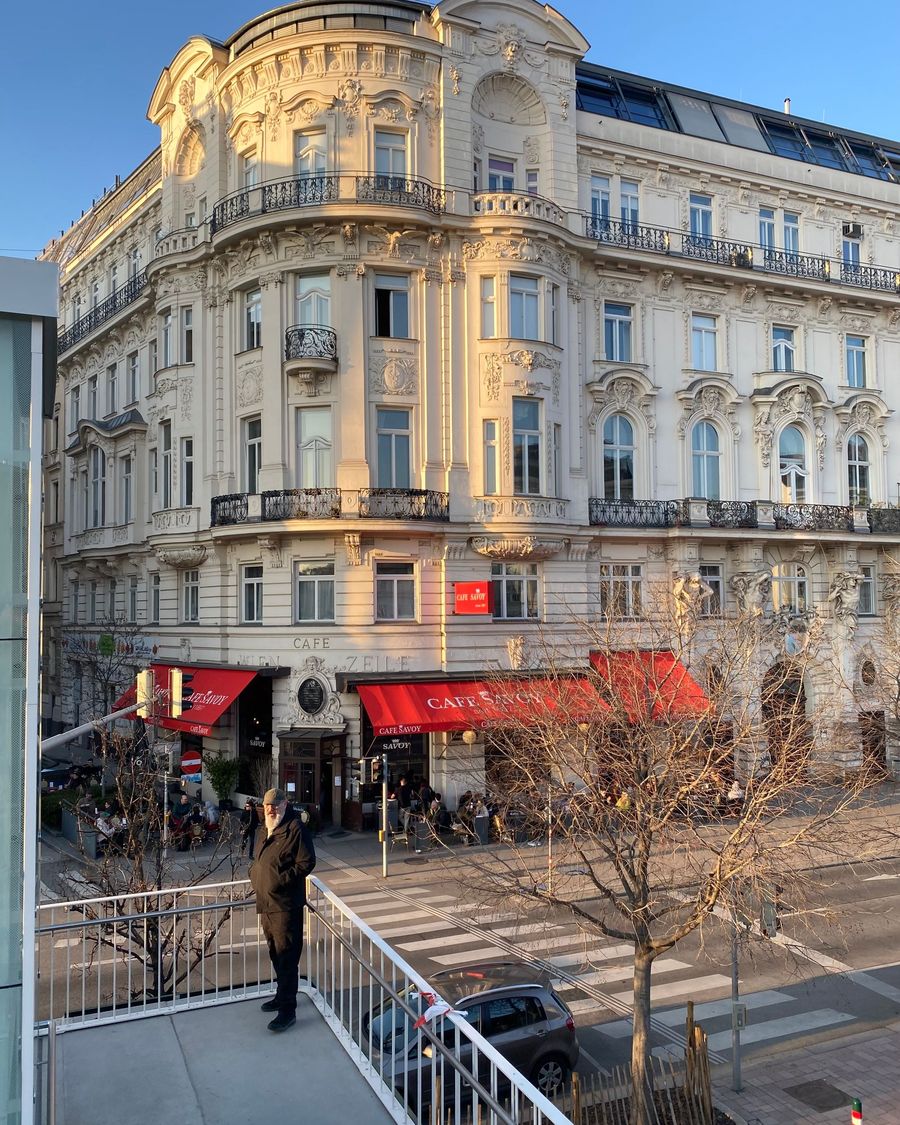
Vienna has a famous legend about sacks of coffee left behind after the siege of 1683. The paperwork tells a plainer story: in 1685 an Armenian merchant, Johannes Diodato, was granted a licence to serve coffee, and the Viennese coffee house was born. It developed its own customs. You could order one coffee and stay for hours, reading the papers on their wooden holders, and nobody would hurry you along. In 2011 Viennese coffee house culture was added to Austria’s national inventory of intangible cultural heritage under UNESCO’s convention.
The grand cafés
The 1800s and early 1900s were the age of the grand café, and many of them are still open.
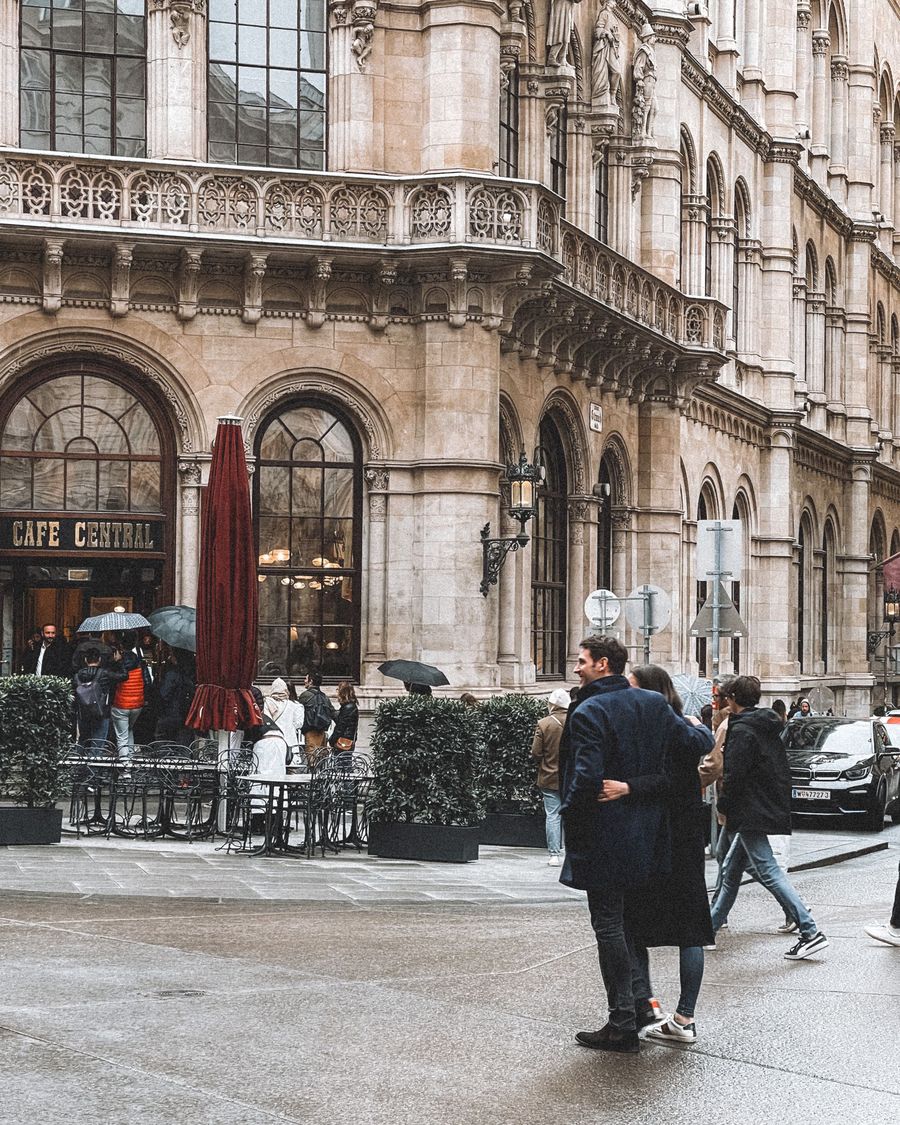
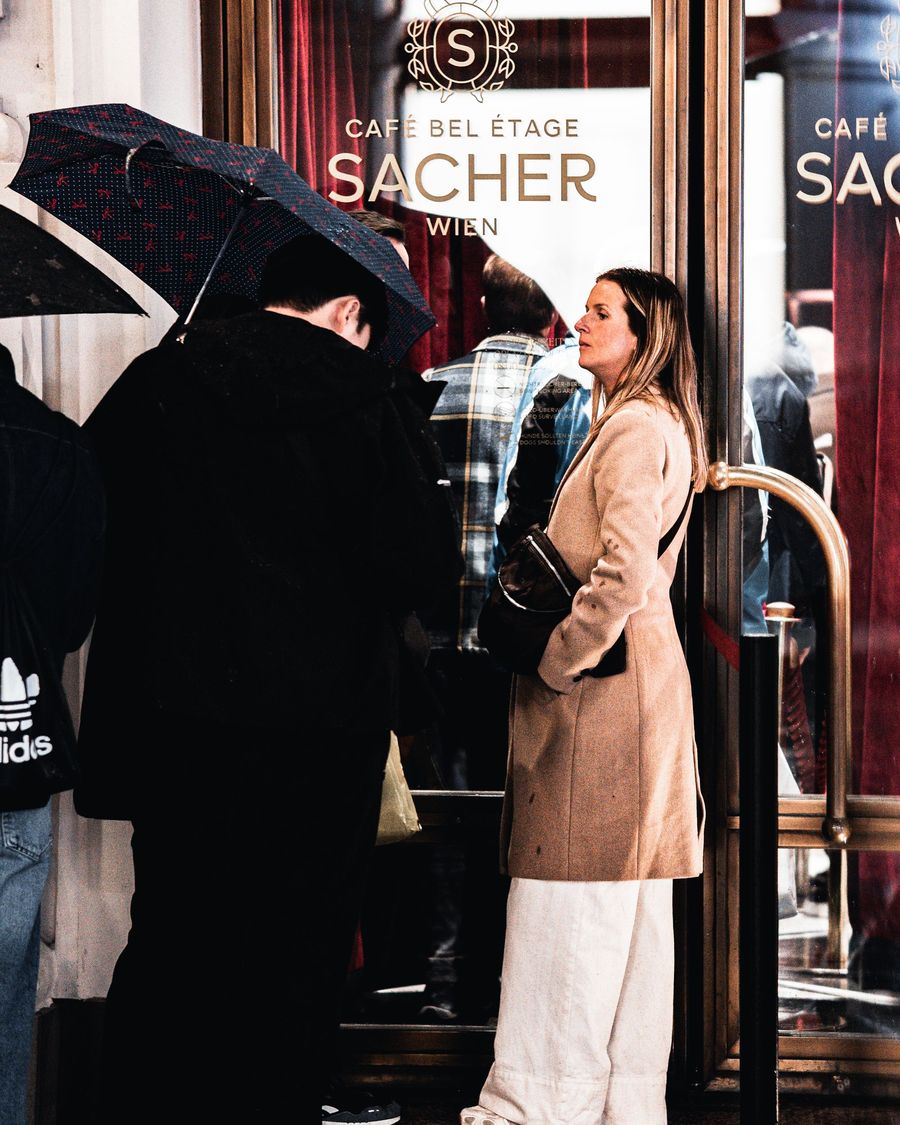
Café Central opened in Vienna in 1876, in the ground floor of a former bank and stock exchange building. Its regulars included the writer Peter Altenberg, the psychologist Alfred Adler, the architect Adolf Loos and, before the Russian Revolution, Leon Trotsky. The same year, Eduard Sacher opened the Hotel Sacher opposite the State Opera. The queue outside its café is mostly for the chocolate torte his father, Franz, is said to have created as a 16-year-old apprentice in 1832.
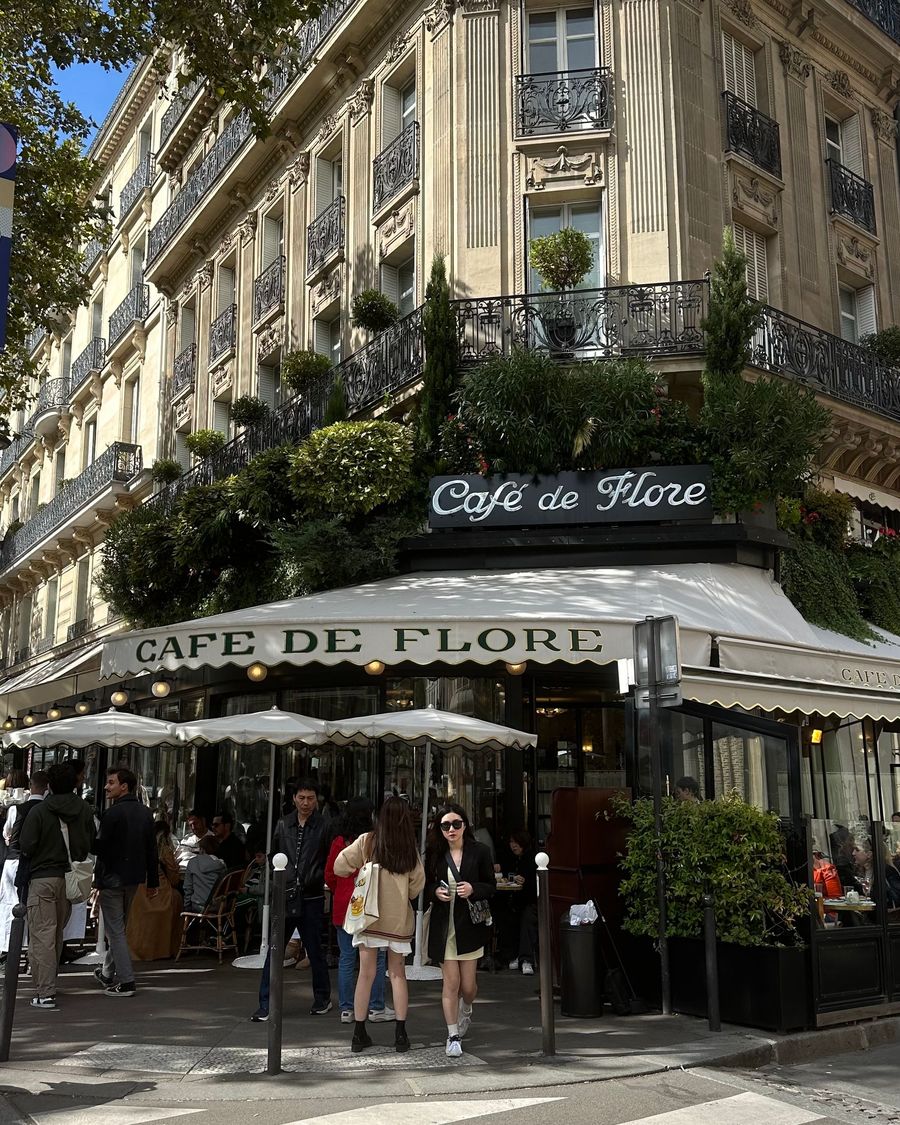
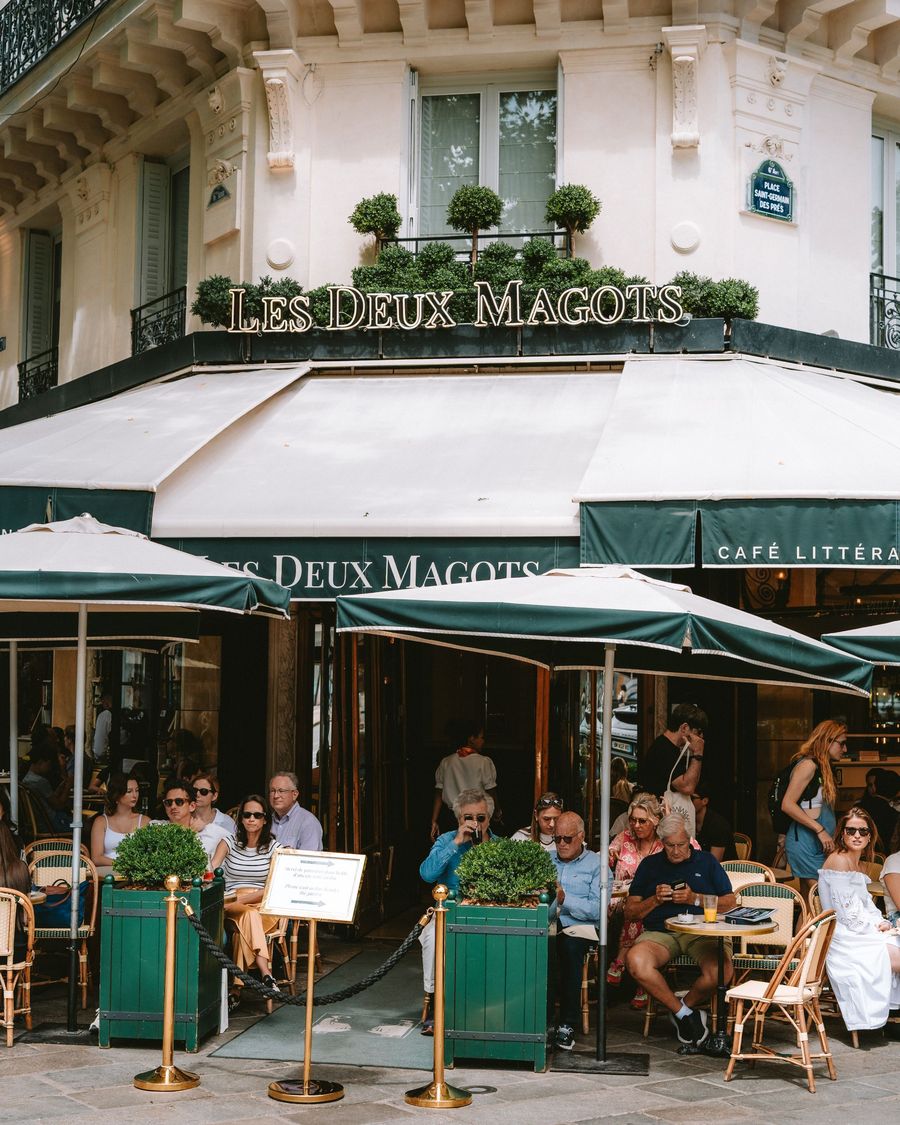
In Paris, Les Deux Magots and Café de Flore opened next door to each other in Saint-Germain-des-Prés in the 1880s. During the Second World War, Jean-Paul Sartre and Simone de Beauvoir worked at their tables for whole days at a time. The story goes that the Flore’s stove was part of the appeal, because their rooms were cold.
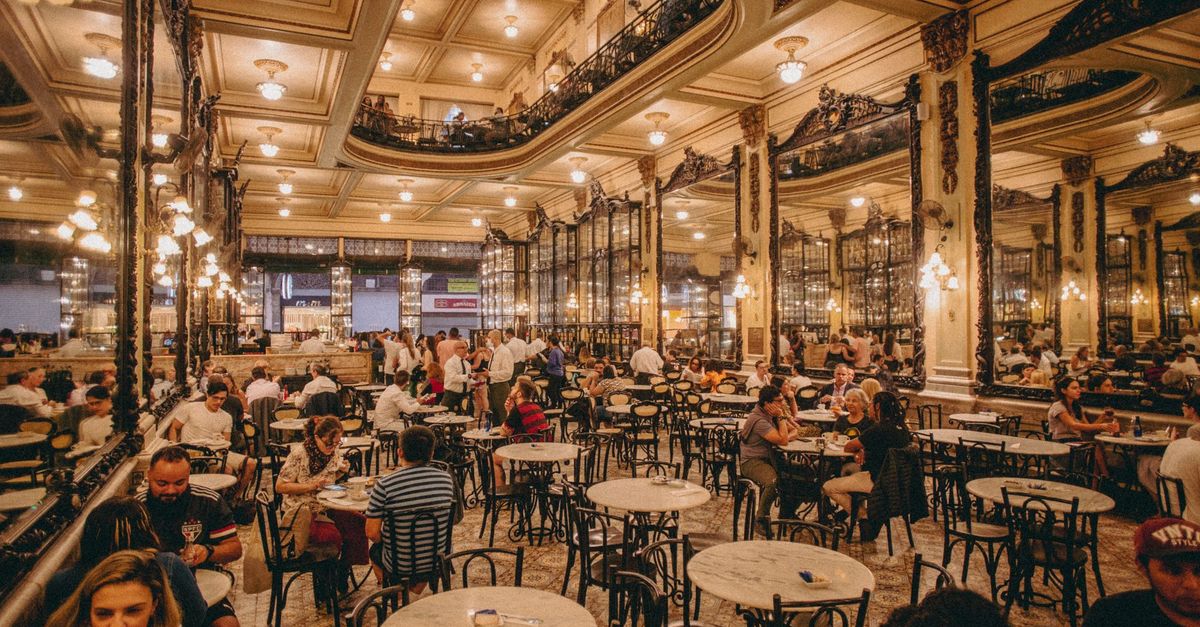
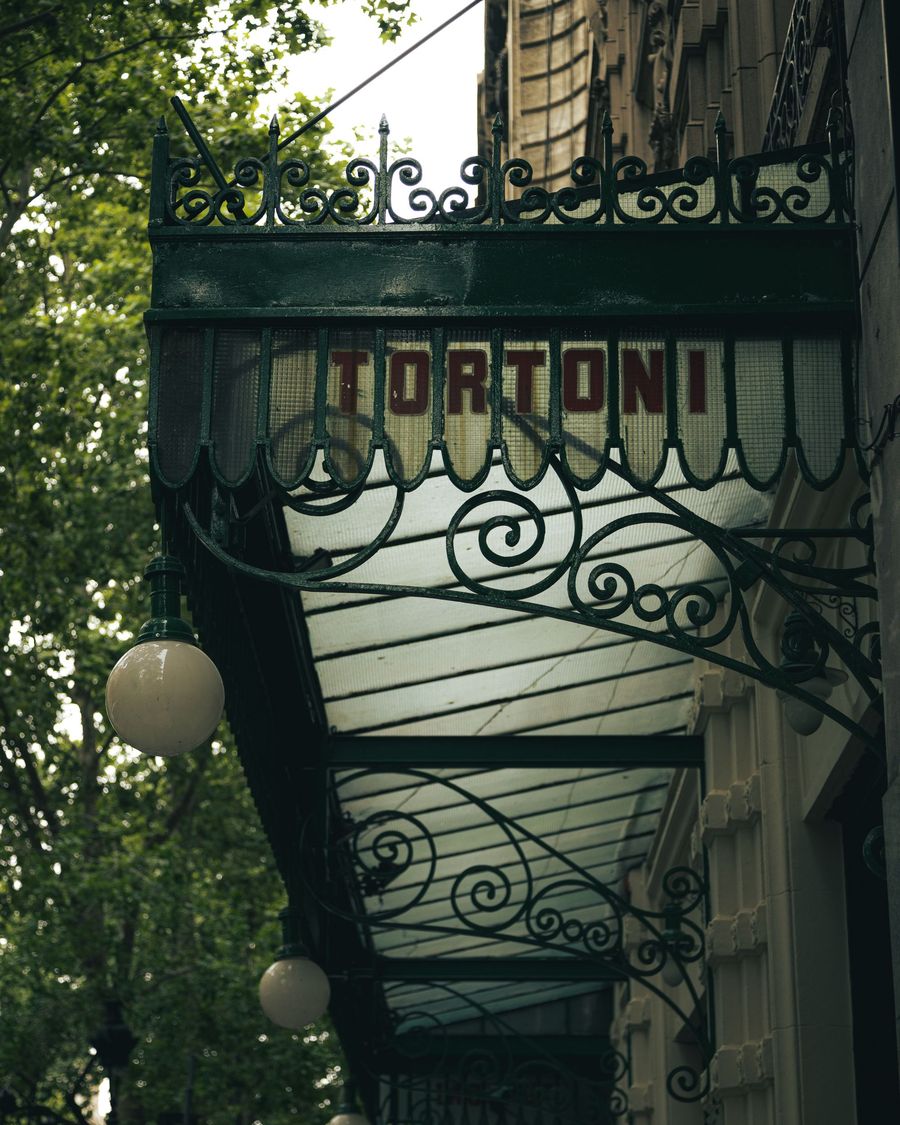
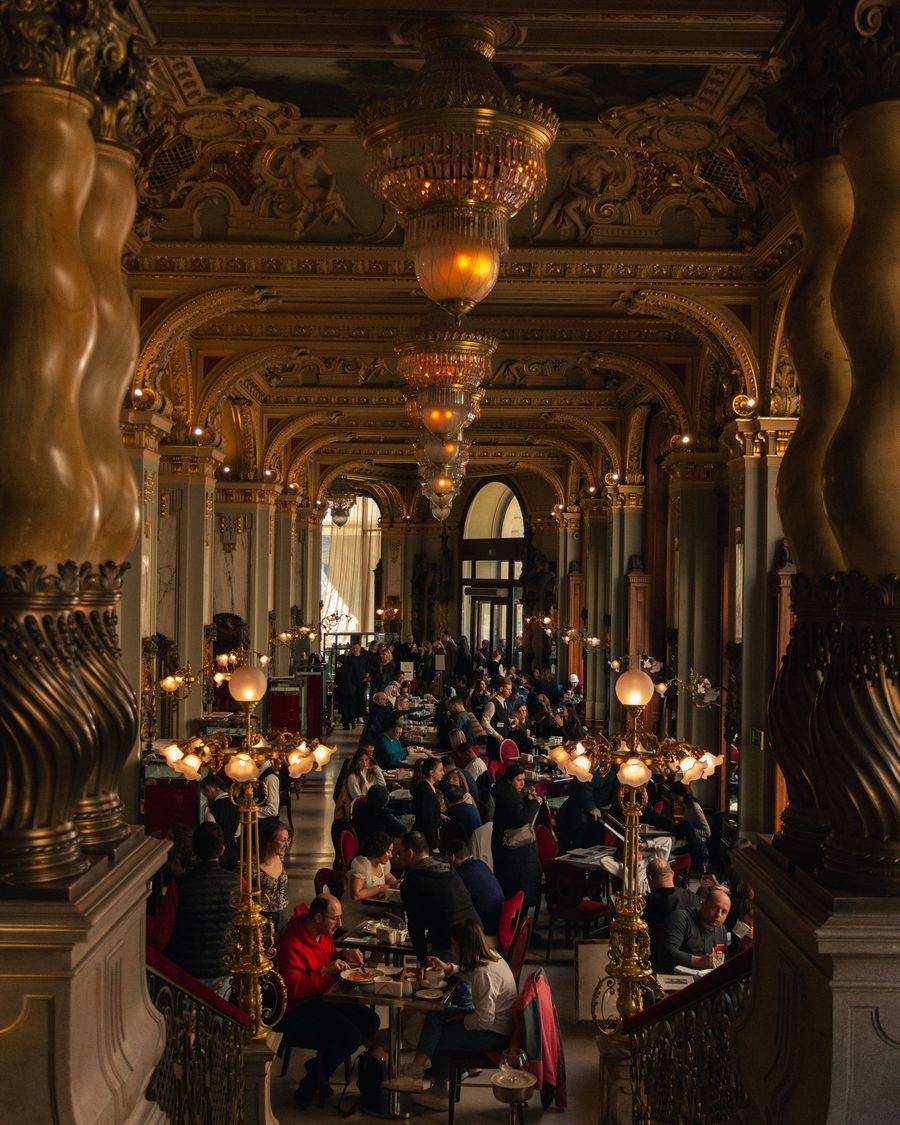
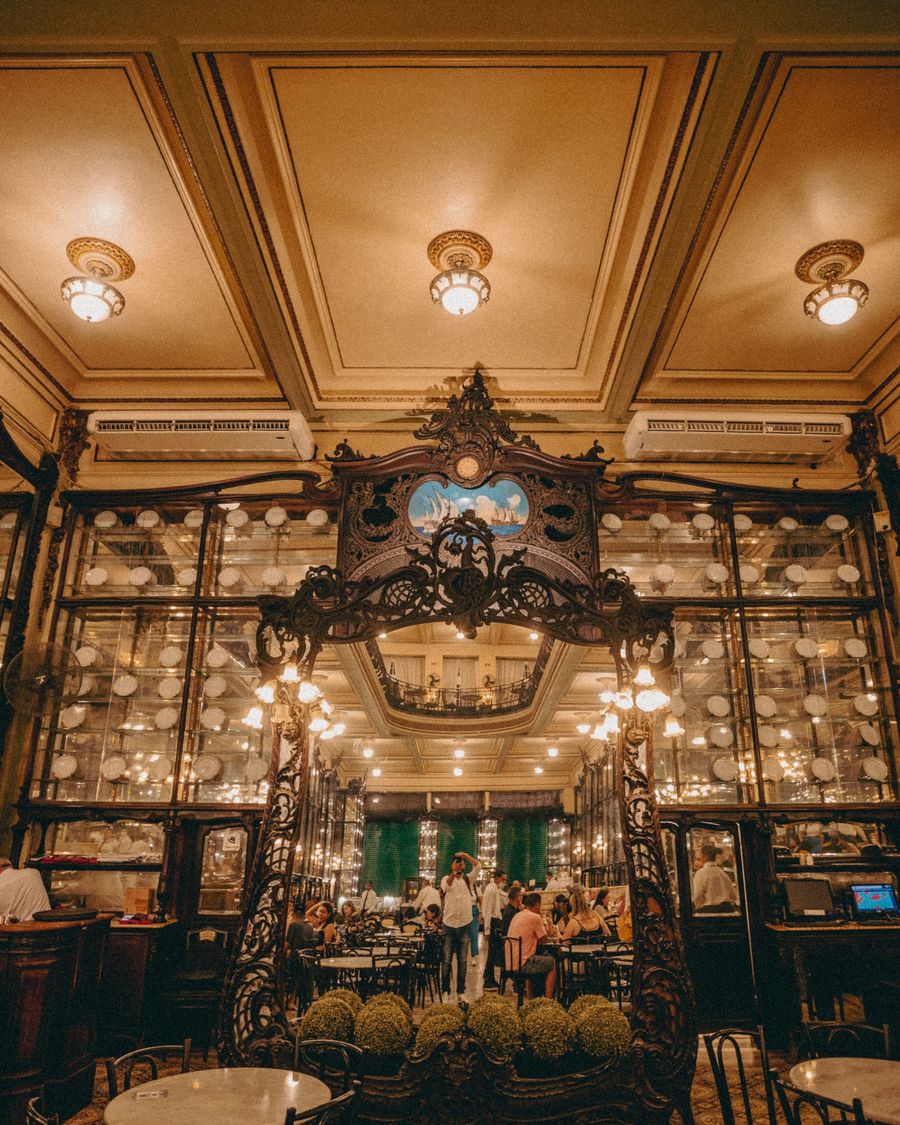
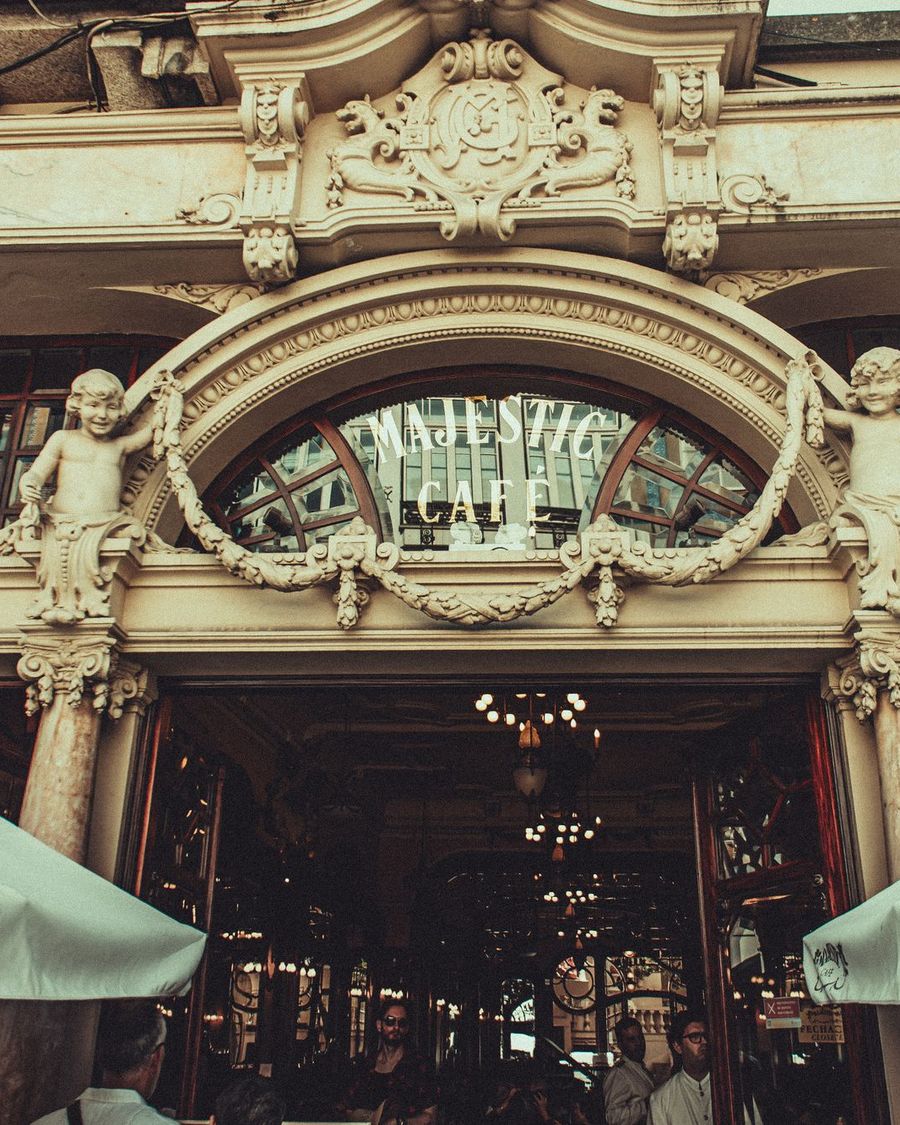
The idea crossed oceans. Café Tortoni opened in Buenos Aires in 1858 and is now Argentina’s oldest. The New York Café in Budapest opened in 1894 and became a meeting place for the city’s writers and editors. The same year, two Portuguese immigrants opened Confeitaria Colombo in Rio de Janeiro, now known for its enormous mirrors and stained-glass skylight. Café Majestic in Porto followed in 1921. Each one is different, but they share something: big rooms built for lingering.
Melbourne’s coffee palaces
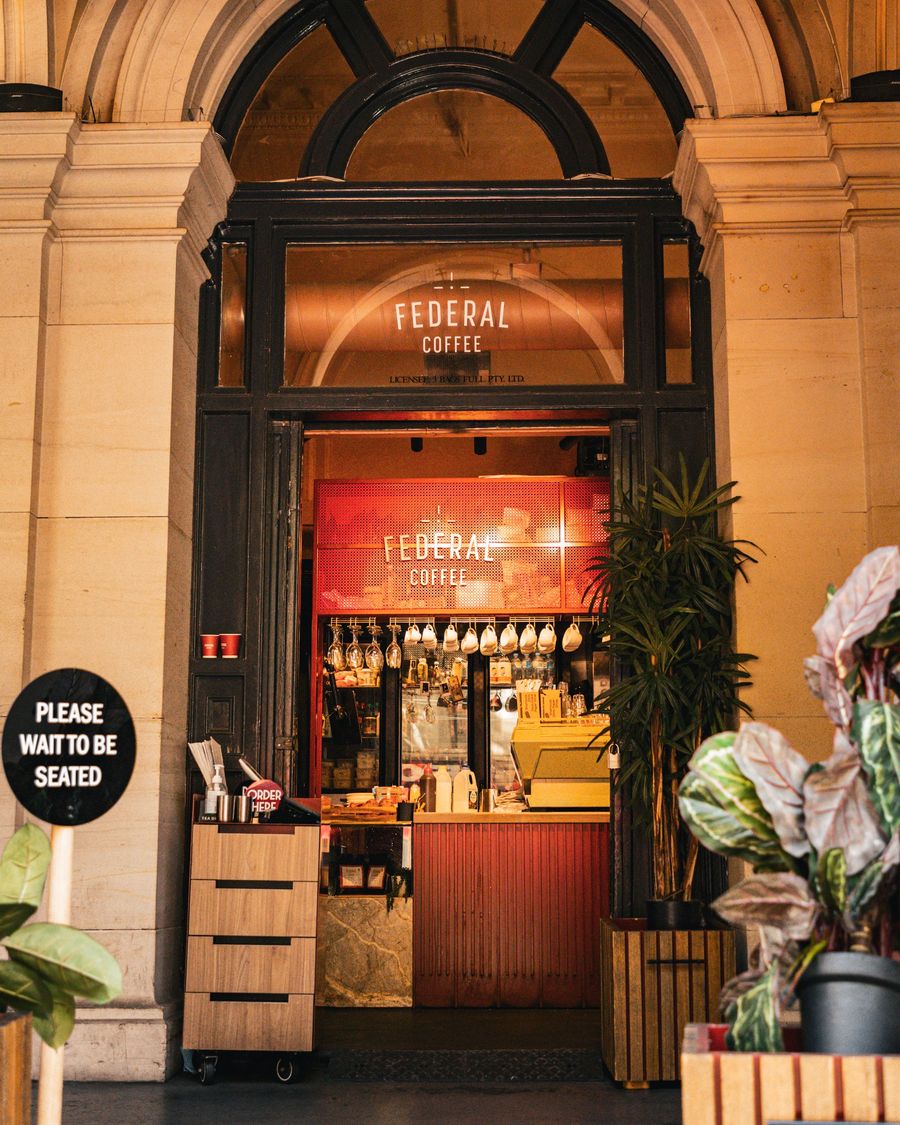
Australia’s café story starts somewhere unexpected. In the 1880s, during Melbourne’s land boom, the temperance movement built “coffee palaces”: grand hotels that offered everything a pub hotel did, except alcohol. By 1888 Melbourne had more than fifty. The largest, the Federal Coffee Palace on Collins Street, had around 560 rooms.
They didn’t last. As the temperance movement faded and the boom turned to bust, most coffee palaces either applied for liquor licences or were pulled down. The Federal was demolished in the early 1970s.
Then came espresso
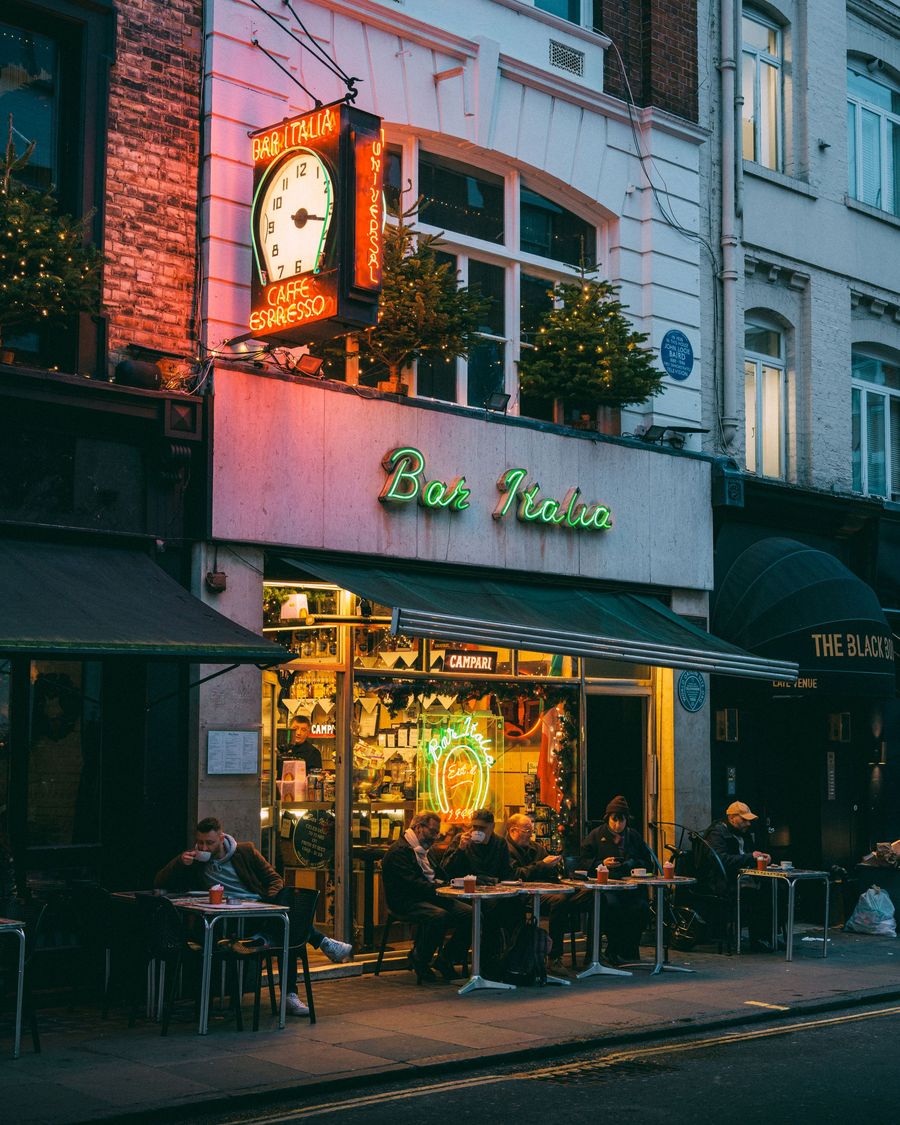
The café culture Australians know today arrived with post-war migration, particularly from Italy and Greece. Something similar was happening in London, where Lou and Caterina Polledri opened Bar Italia on Frith Street in Soho in 1949. Their family still runs it, in the same building where John Logie Baird first demonstrated television in 1926.
In 1954 the brothers Leo and Vildo Pellegrini opened Pellegrini’s Espresso Bar on Bourke Street in Melbourne. They weren’t the only ones with an espresso machine that decade, and several cafés claim to be first, but Pellegrini’s is still pouring coffee in the same spot.
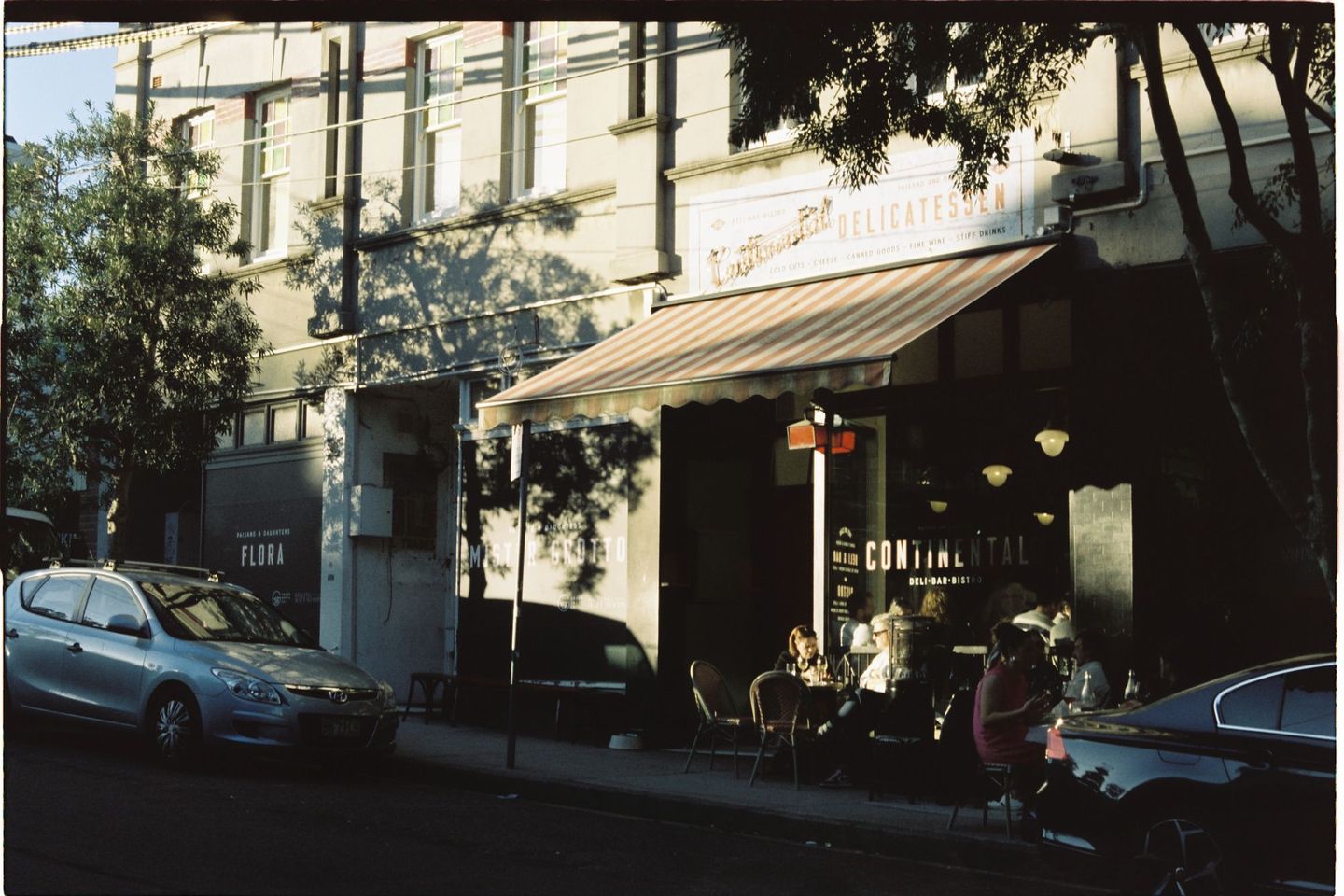
Lygon Street in Carlton, Leichhardt in Sydney and a hundred suburban strips followed. By the 1980s baristas on both sides of the Tasman were serving a smaller, silkier milk coffee that became the flat white (exactly who poured it first is still argued about), and the café had become as much a part of daily life as the pub had once been.
What hasn’t changed
Strip away the marble tables and the silver trays and the idea is the same one Hakam and Shams sold in Istanbul. A café is a third place: not home, not work, open to anyone who can cover the price of a coffee. It’s where the penny universities put a tradesman next to a scholar, and where whole movements in art and politics started as conversations between people who happened to share a table.
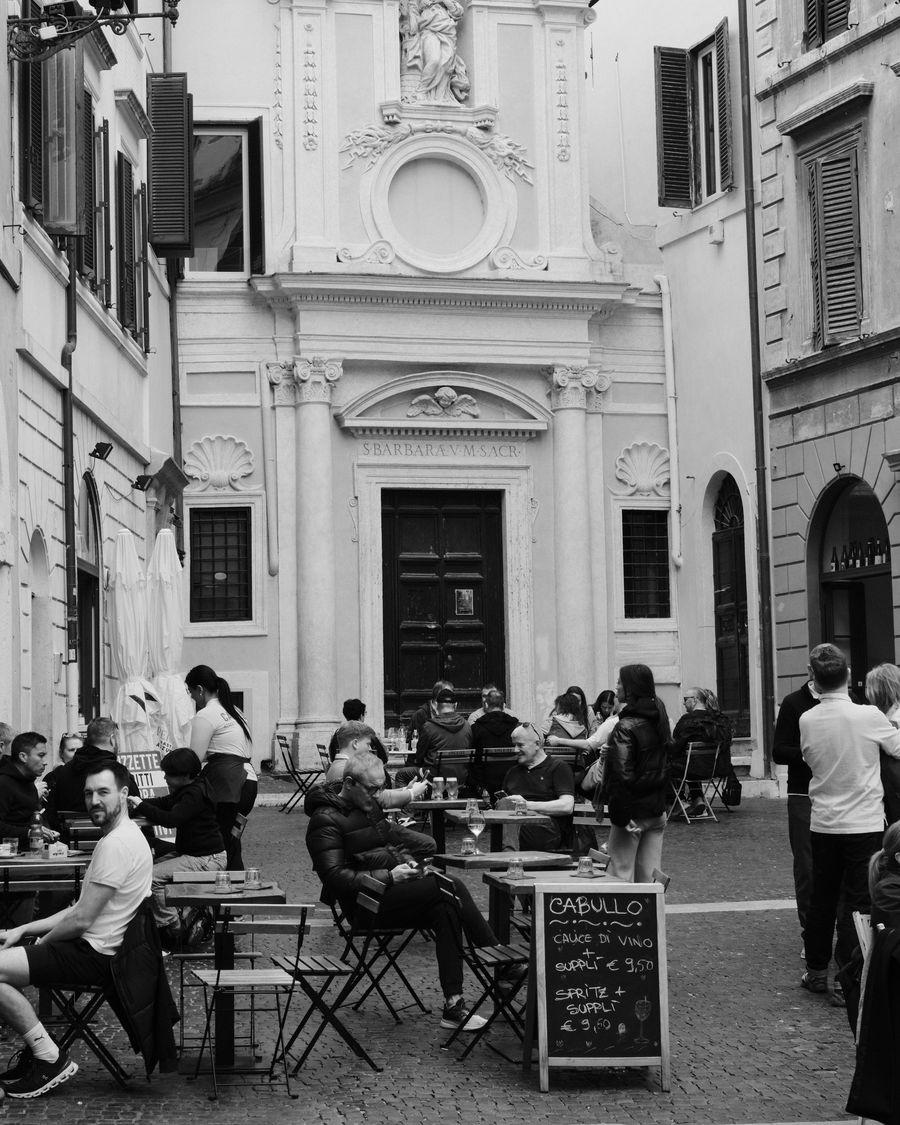
What has changed is how rarely we talk to the person at the next table. At Flat White we’re trying to bring a little of the old coffeehouse back. We match two people for one hour over coffee at a local café, so the conversation with someone new is planned rather than left to chance. It’s a very old idea. We just think it’s worth keeping.
Meet one person. Over coffee. On purpose.
Australia’s opening city-by-city. Join the waitlist at joinflatwhite.com →